
Image
See also
This is the generation-time override. To author an image layer's full schema at import time, see Design Import → Layer Types → Image.
Available properties
| Property | Description |
|---|---|
image_url | String. HTTP(s) URL of your image, max 2 048 characters. File size max 20 MB. Supported: jpeg, png, webp, svg, gif, tiff, avif. Tiff is only supported for printer designs. Print designs can accept much larger files (up to 500 MB) for large-format use cases. |
image_encoded | String. Base64 encoded image. Ignored if image_url is provided |
opacity | Integer 0–100. Opacity of the image |
fitting_type | See Fitting Type |
alignment | See Alignment |
mask_name / mask_properties | See Mask |
filter_name / filter_properties | See Filter |
overlay_direction / overlay_color_1 / overlay_color_2 | See Overlay |
shadow_color / shadow_blur / shadow_offset_x / shadow_offset_y | See Shadow |
stroke_width / stroke_color | See Border |
remove_bg / remove_bg_properties | See Remove Background |
auto_focus / auto_focus_properties | See Auto Focus |
expand / expand_properties | See Expand |
upscale / upscale_properties | See Upscale |
text_to_image / text_to_image_properties | See Text to Image & Inpainting. Ignored if image_url or image_encoded is given |
Fitting type
fitting_type defines how the image fills its bounding box:
cover: Fills the area entirely without changing aspect ratio (may crop) — equivalent to CSSobject-fit: coverfill: Scales the image to fit entirely within the box (may leave empty space) — equivalent to CSSobject-fit: contain
fill is CSS contain, not CSS fill
If you're familiar with CSS, note that Abyssale's fill maps to CSS contain, not CSS fill.
| Value | Result |
|---|---|
"fitting_type": "fill" | 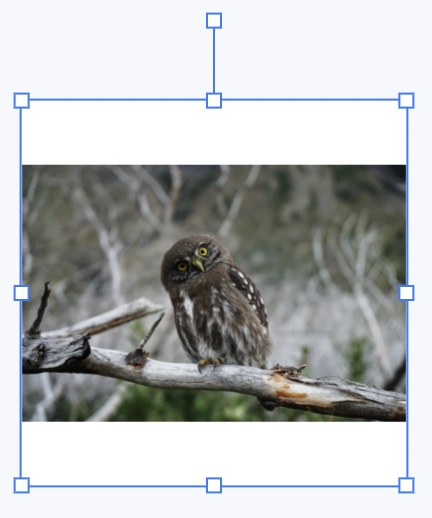 |
"fitting_type": "cover" | 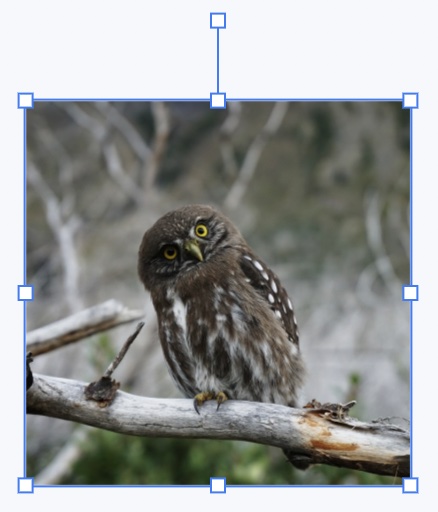 |
Alignment
alignment overrides the default image alignment.
- One string:
top,middle,bottom,left,center,right - Two strings: vertical + horizontal, e.g.
"top left","middle right"
Either half may also be custom — the value the editor stores for a hand-positioned layer. It resolves to the centre of that axis, so "custom custom" is the centre of the box and "custom left" is the middle of the left edge.
| Value | Result |
|---|---|
cover + alignment: middle center | |
cover + alignment: middle right | 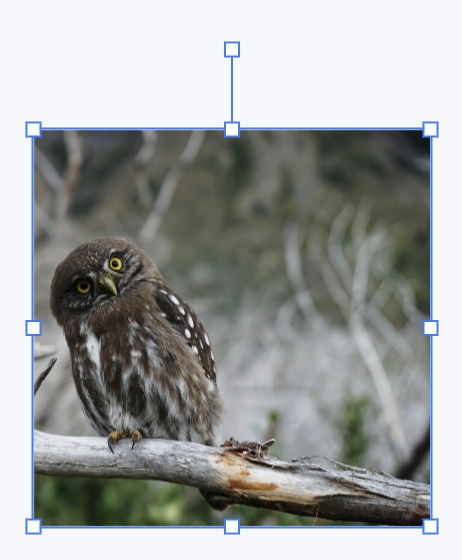 |
fill + alignment: bottom center | 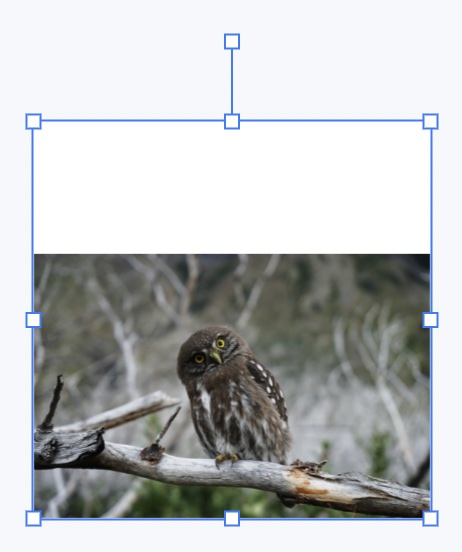 |
fill + alignment: middle center | |
Mask
mask_name applies a shape mask to the image. Only rounded_corners takes a mask_properties object — every other value below ignores it. mask_properties.radius is a single number or a per-corner map {"tl": …, "tr": …, "br": …, "bl": …}; mask_properties.skew_y (−22…22) slants the mask:
| Value | Description | Preview |
|---|---|---|
circle | Circular mask | 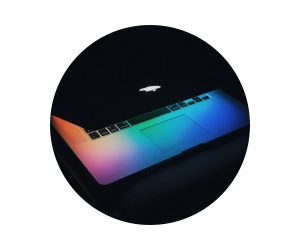 |
rounded_corners | Rounded corners. Requires mask_properties: { "radius": <integer> } — pixels on static / animated, the format's physical unit on printer (see Units on Print Designs). For the full shape including per-corner radii, see Design Import → Layer Types → Image → mask_properties. | 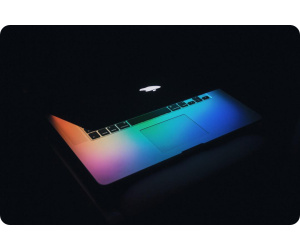 |
blob | Blob shape | 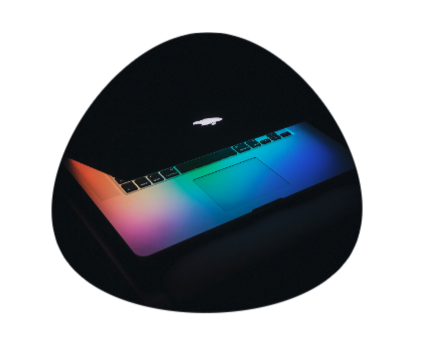 |
squircle | Squircle shape | 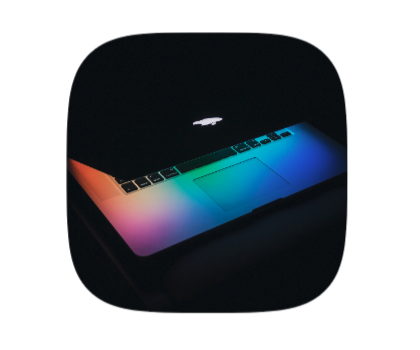 |
pentagon | Pentagon shape | 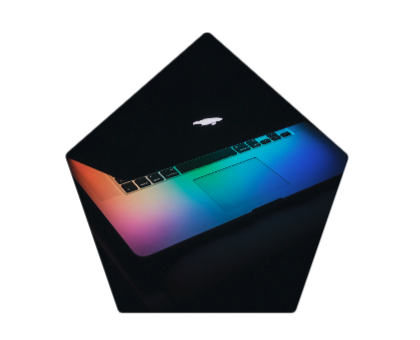 |
hexagon | Hexagon shape | 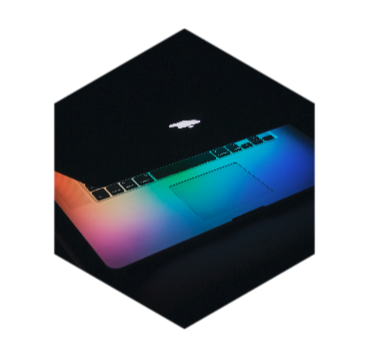 |
parallelogram | Parallelogram shape | 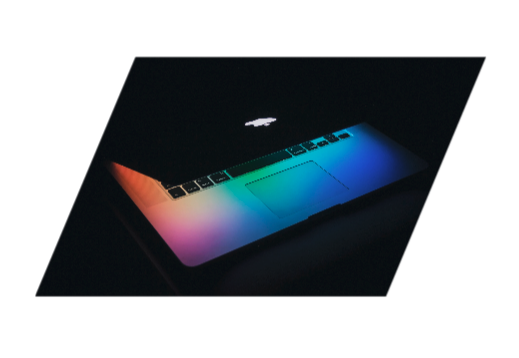 |
window | Arched-window shape |
Filter
filter_name applies a color filter:
grayscale: Converts image to grayscaleduotone: Applies a duotone filter. Requiresfilter_properties: { "name": "<duotone_name>" }
Available duotone names: blue_green, blue_orange, deep_green_light_green, BrightRed_light_yellow, brown_pale_green, brown_beige, deep_blue_green, deep_blue_red, deep_purple_orange, deep_purple_beige, deep_purple_pale_green, deep_blue_pale_green
| Filter | Preview | Filter | Preview | Filter | Preview |
|---|---|---|---|---|---|
| Original | 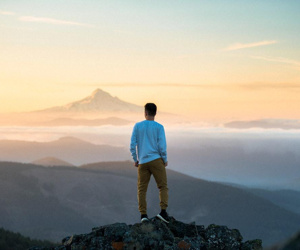 | grayscale | 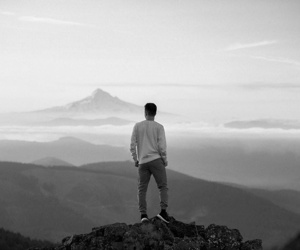 | duotone: blue_orange | 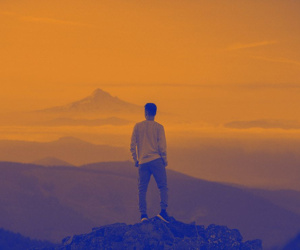 |
duotone: deep_green_light_green |  | duotone: BrightRed_light_yellow |  | duotone: brown_pale_green |  |
duotone: brown_beige |  | duotone: deep_blue_green |  | duotone: deep_blue_red |  |
duotone: deep_purple_orange |  | duotone: deep_purple_beige | 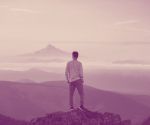 | duotone: deep_purple_pale_green |  |
duotone: deep_blue_pale_green |  |
Border
A frame drawn around the image, outside its box, following the mask when there is one.
stroke_width: Number 0–60 in pixels onstatic/animated; a float in the format's physical unit onprinter— see Units on Print Designsstroke_color: 6–8 digit hex color, or cmyka for print — see Colors & Gradients
If the design has no border, both properties are required and stroke_width must be > 0.
The border frames the box, not the subject
The frame follows the image's box or mask shape. On a PNG with transparent areas, or after Remove Background, the transparent pixels stay untouched and the frame still runs around the whole box. With fitting_type: "fill" the box is the letterboxed image, so the frame hugs the image, not the layer.
| Request | Preview | Request | Preview |
|---|---|---|---|
| No border | 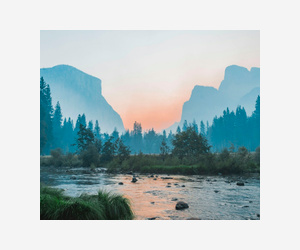 | stroke_width: 4, stroke_color: "#000000" | 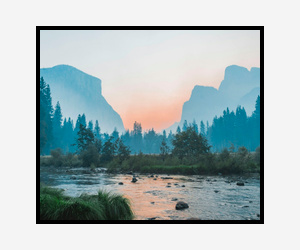 |
mask_name: "circle", stroke_width: 6, stroke_color: "#FF8800CC" | 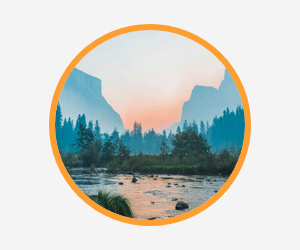 | fitting_type: "fill", mask_name: "rounded_corners", stroke_width: 6, stroke_color: "#1D4ED8" | 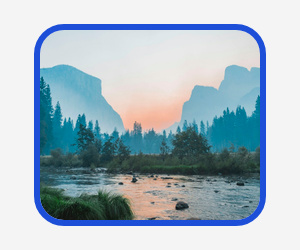 |
stroke_width: 12, stroke_color: "#000000" | 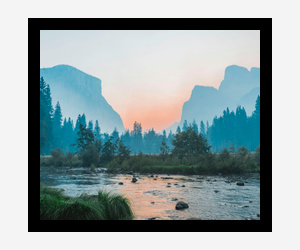 |
Examples
A 4 px black frame on a static or animated design:
{
  "elements": {
    "product-photo": {
      "stroke_width": 4,
      "stroke_color": "#000000"
    }
  }
}
A frame that follows a circle mask, with a translucent colour (8-digit hex):
{
  "elements": {
    "avatar": {
      "mask_name": "circle",
      "stroke_width": 6,
      "stroke_color": "#FF8800CC"
    }
  }
}
On a printer design, the width is in the format's physical unit (here 2 mm on an mm format) and the colour a CMYK value:
{
  "elements": {
    "cover-image": {
      "stroke_width": 2,
      "stroke_color": "cmyk(0,100,100,0)"
    }
  }
}
Changing only the width of a border the design already has:
{
  "elements": {
    "product-photo": {
      "stroke_width": 12
    }
  }
}
Overlay
Adds a two-tone color overlay across the image. All three properties are required:
overlay_direction:"horizontal","vertical", or"diagonal"overlay_color_1: First color (hex or CMYK)overlay_color_2: Second color (hex or CMYK). Set both to the same color for a monochrome overlay
Not the linear-gradient(...) syntax
The blended look between the two colors below is sometimes called a "gradient overlay," but overlay_color_1 / overlay_color_2 are plain hex colors, not Abyssale's linear-gradient(...) string (see Colors & Gradients) — that string syntax is not accepted here. The two-tone blend is produced automatically from the two flat colors and the chosen overlay_direction.
| Value | Result |
|---|---|
Gradient horizontal (overlay_color_1: "#FF000080", overlay_color_2: "#0000FF1A") | 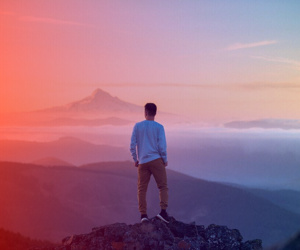 |
| Gradient vertical | 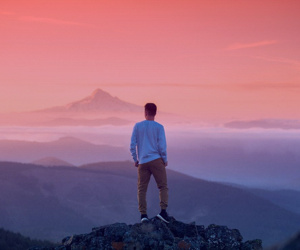 |
| Gradient diagonal | 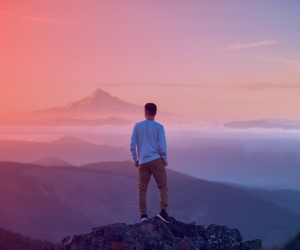 |
| Monochrome (both colors the same) | 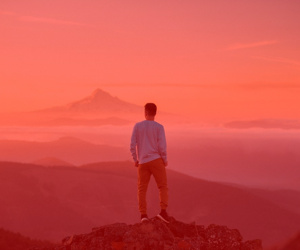 |
Remove background
Automatically removes the background from an image using AI.
Deprecated on synchronous generation
remove_bg still works on synchronous generation and existing integrations keep working, but it is deprecated there and not recommended: removing a background is an extra AI round-trip before the render, and that endpoint is hard-capped at 28 seconds. A large or slow source image can push the whole call past the cap, so instead of your asset you get 500 internal_server_error.
Remove backgrounds with asynchronous generation instead — it has no completion bound.
auto_focus is not affected and remains fully supported on both: it runs on Abyssale's own detection model and is fast enough that it does not put the synchronous budget at risk.
| Parameter | Type | Description | Default |
|---|---|---|---|
remove_bg | Boolean | Activates background removal | false |
remove_bg_properties | Object | Additional settings | |
↳ remove_bg_crop | Boolean | Trims edges after removal | false |
↳ model | String | Background removal model to use, see Models below | bria-rmbg-2-0 |
{
  "remove_bg": true,
  "remove_bg_properties": {
    "remove_bg_crop": true,
    "model": "birefnet"
  }
}| Value | Result |
|---|---|
"remove_bg": true | 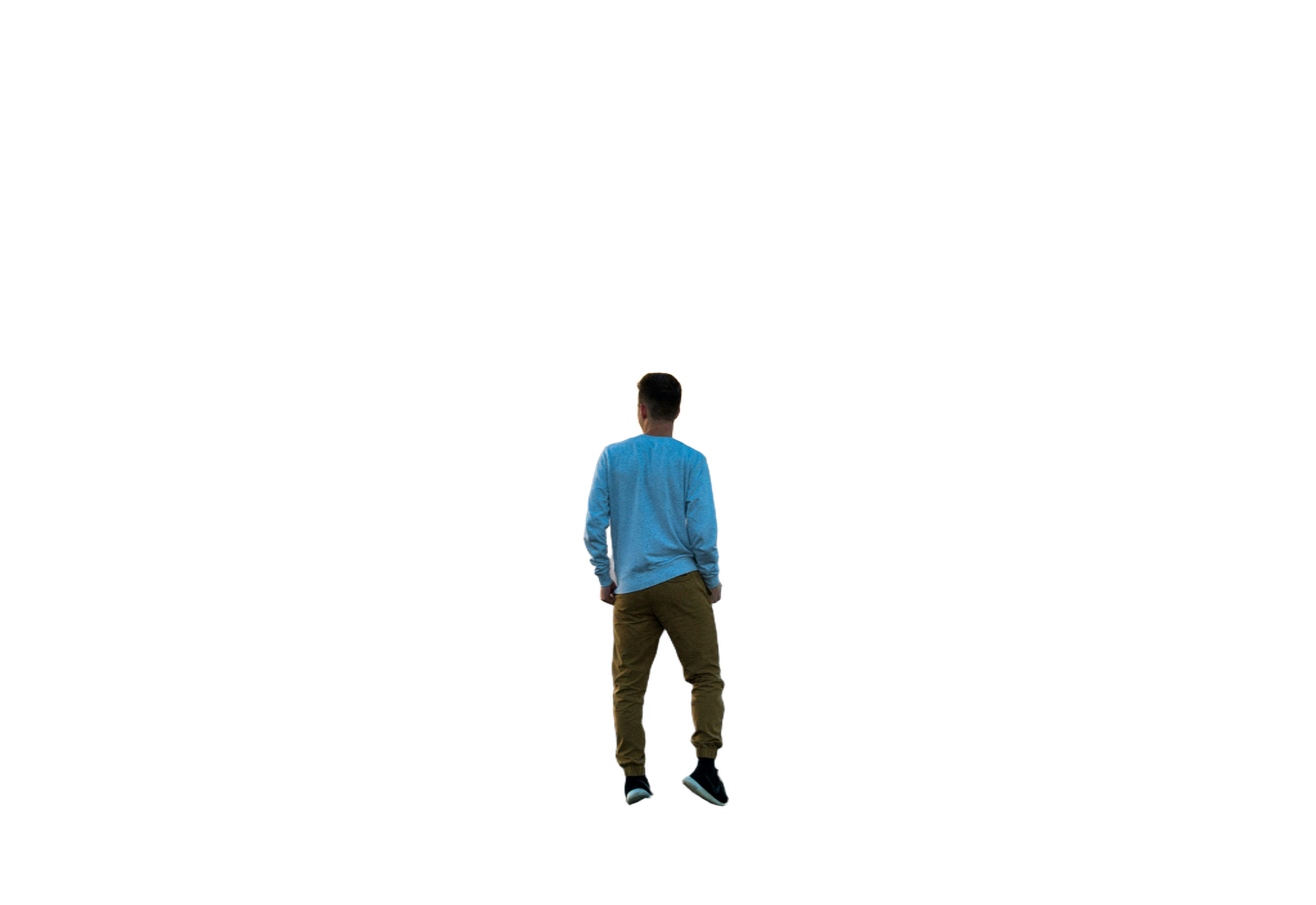 |
"remove_bg": true + "remove_bg_crop": true | .png) |
Background-removal models
| Model | Description |
|---|---|
bria-rmbg-2-0 | BRIA RMBG 2.0 — default model |
birefnet | BiRefNet |
pixelcut | Pixelcut |
imageUtils | ImageUtils |
ideogram | Ideogram |
leonardo-remove-bg | Leonardo.Ai Remove bg |
Auto focus
Automatically detects and focuses on specified objects using AI.
| Parameter | Type | Description | Default |
|---|---|---|---|
auto_focus | Boolean | Activates auto-focus | false |
auto_focus_properties | Object | Additional settings | |
↳ model | String | "generic" or "people". "face" is deprecated | "generic" |
↳ focus_objects | Array of strings | Objects to focus on (generic model only). Uses Open Images Dataset labels | |
↳ focus_framing | String | people model only: "face", "head", "shoulders", "full_body" | "face" |
↳ focus_zoom | String | people model only: "off", "low", "medium", "max" | "max" |
↳ focus_target | String | people model only: "largest", "left", "middle", "right", "all" | "all" |
The five settings can also be sent at the top level
auto_focus_model, focus_objects, focus_framing, focus_zoom and focus_target are accepted beside auto_focus as well as inside auto_focus_properties — same values, same defaults. Note the name: the model is auto_focus_model at the top level and model inside the object.
{ "auto_focus": true, "auto_focus_model": "people", "focus_framing": "head" }Both forms are supported. If you send the same setting twice, the one inside auto_focus_properties wins, being the more specific.
The face model is deprecated
Use the people model with focus_framing: "face" instead. It detects faces with the same model, and additionally honours focus_zoom and focus_target — which face ignores entirely, so a request combining them with face silently gets neither.
Because focus_framing already defaults to "face", the migration is usually just dropping one word:
// Before — deprecated
{ "auto_focus": true, "auto_focus_properties": { "model": "face" } }

// After — identical framing, and now zoom and target work
{ "auto_focus": true, "auto_focus_properties": { "model": "people" } }
"face" keeps working and existing requests do not break. No removal date is set; see the deprecation policy.
Generic model example:
{
  "auto_focus": true,
  "auto_focus_properties": {
    "model": "generic",
    "focus_objects": ["Woman", "Car"]
  }
}| Value | Result |
|---|---|
auto_focus: false | 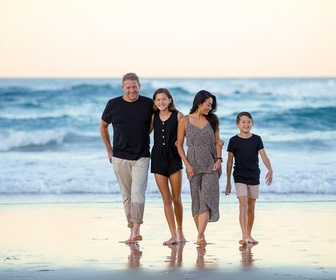 |
model: "generic" | 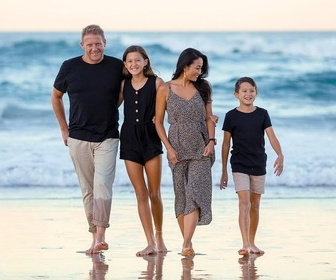 |
model: "people", focus_framing: "face" | 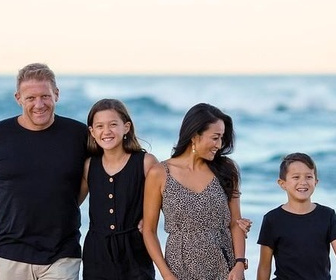 |
focus_objects: ["man"] | 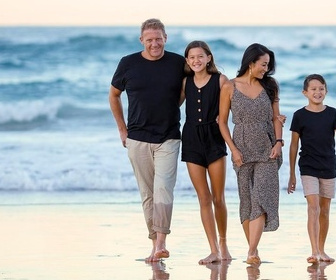 |
focus_objects: ["woman"] | 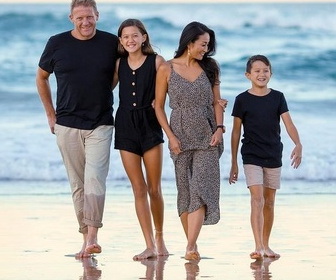 |
focus_objects: ["boy"] | 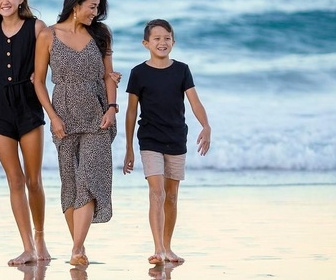 |
focus_objects: ["woman", "boy"] | 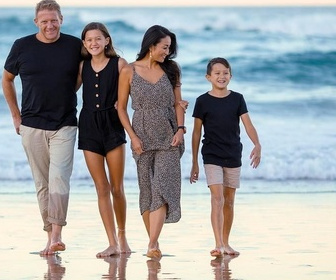 |
People model example:
{
  "auto_focus": true,
  "auto_focus_properties": {
    "model": "people",
    "focus_framing": "shoulders",
    "focus_zoom": "low",
    "focus_target": "right"
  }
}| Value | Result |
|---|---|
| people, shoulders, low zoom, right | .png) |
| people, shoulders, low zoom, left | .png) |
| people, head, max zoom, left | .png) |
Expand
Extends an image beyond its original borders using AI, generating new content that continues the scene. This is useful when the image is smaller than its bounding box, or when alignment leaves empty space on one or more sides — instead of cropping or padding, the empty area is filled by AI-generated content that matches the source image.
Ignored on fitting_type: "cover"
cover already fills the entire bounding box, so there is no empty space for expand to fill — the property is ignored. expand only has an effect with fitting_type: "fill".
Asynchronous generation only
expand is rejected on synchronous generation with 400 invalid_payload — an AI generation takes far longer than that endpoint's 28-second budget, so the field is not part of its contract at all. Use asynchronous generation.
| Parameter | Type | Description | Default |
|---|---|---|---|
expand | Boolean | Activates AI expand | false |
expand_properties | Object | Additional settings | |
↳ model | String | Expand model to use, see Models below | flux-2-pro-outpaint |
{
  "image_0": {
    "image_url": "https://production-banners.s3-eu-west-1.amazonaws.com/templates/v2/e0d292f2-ec21-11e9-a539-3c408bf94155/a0263d93-0cf9-4b35-a856-0916d915741f/v2_7af1c7bb-6cbd-40c8-b8f7-43f23a3fc655.webp",
    "fitting_type": "fill",
    "alignment": "middle left",
    "hidden": false,
    "expand": true,
    "expand_properties": {
      "model": "bria-expand"
    }
  }
}
fitting_type: "fill" combined with an off-center alignment leaves empty space in the bounding box; expand fills that space instead of leaving it blank.
| Case | Before | After |
|---|---|---|
alignment: "middle left" | 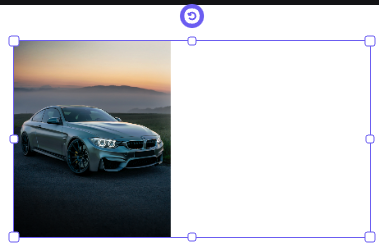 | 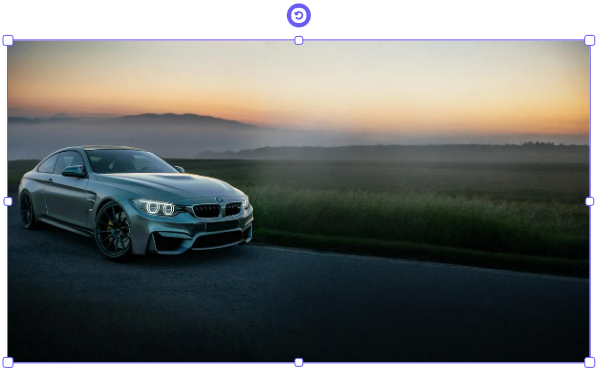 |
| Wide box, image centered horizontally | 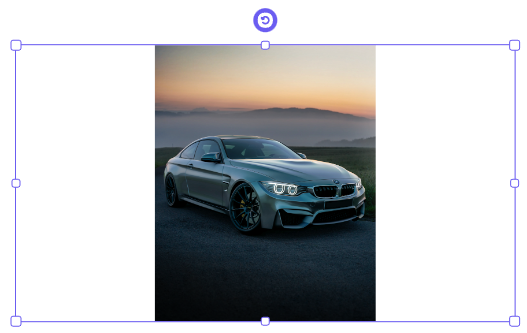 | 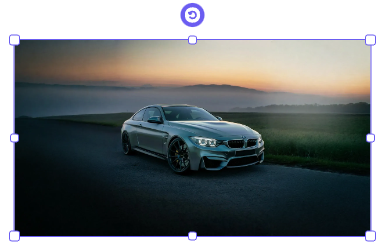 |
| Tall box, image centered vertically | 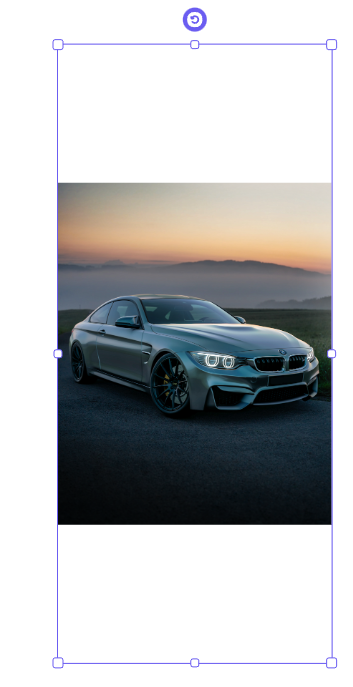 | 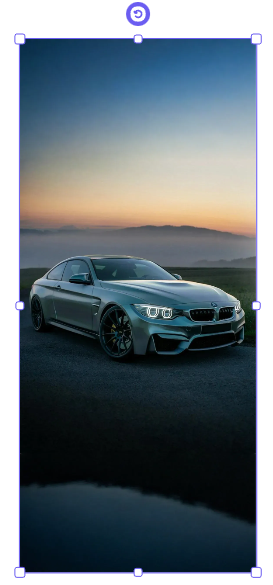 |
Expand models
| Model | Description |
|---|---|
flux-2-pro-outpaint | FLUX.2 Pro Outpaint — default model |
image-outpaint | Image Outpaint |
bria-expand | BRIA Expand |
Upscale
Re-renders an image at a higher resolution using AI, recovering detail instead of stretching pixels. Use it when the source image is smaller or softer than the format it is placed in.
Asynchronous generation only
upscale is rejected on synchronous generation with 400 invalid_payload — an AI generation takes far longer than that endpoint's 28-second budget, so the field is not part of its contract at all. Use asynchronous generation.
| Parameter | Type | Description | Default |
|---|---|---|---|
upscale | Boolean | Activates AI upscale | false |
upscale_properties | Object | Additional settings | |
↳ model | String | Upscale model to use, see Models below | seedvr-upscale |
↳ upscale_factor | Number | Width and height multiplier: 1, 2, 3 or 4 | 2 |
{
  "image_0": {
    "image_url": "https://example.com/low-resolution-photo.png",
    "upscale": true,
    "upscale_properties": {
      "model": "seedvr-upscale",
      "upscale_factor": 3
    }
  }
}
A 493 × 700 px source, upscaled with seedvr-upscale. The detail column crops the same area of each output:
upscale_factor | Result | Detail |
|---|---|---|
| Original — 493 × 700 px | 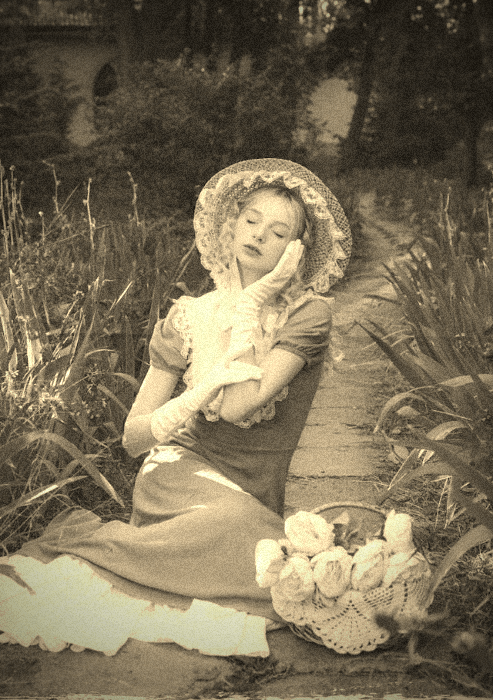 | 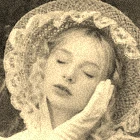 |
2 — 992 × 1408 px | 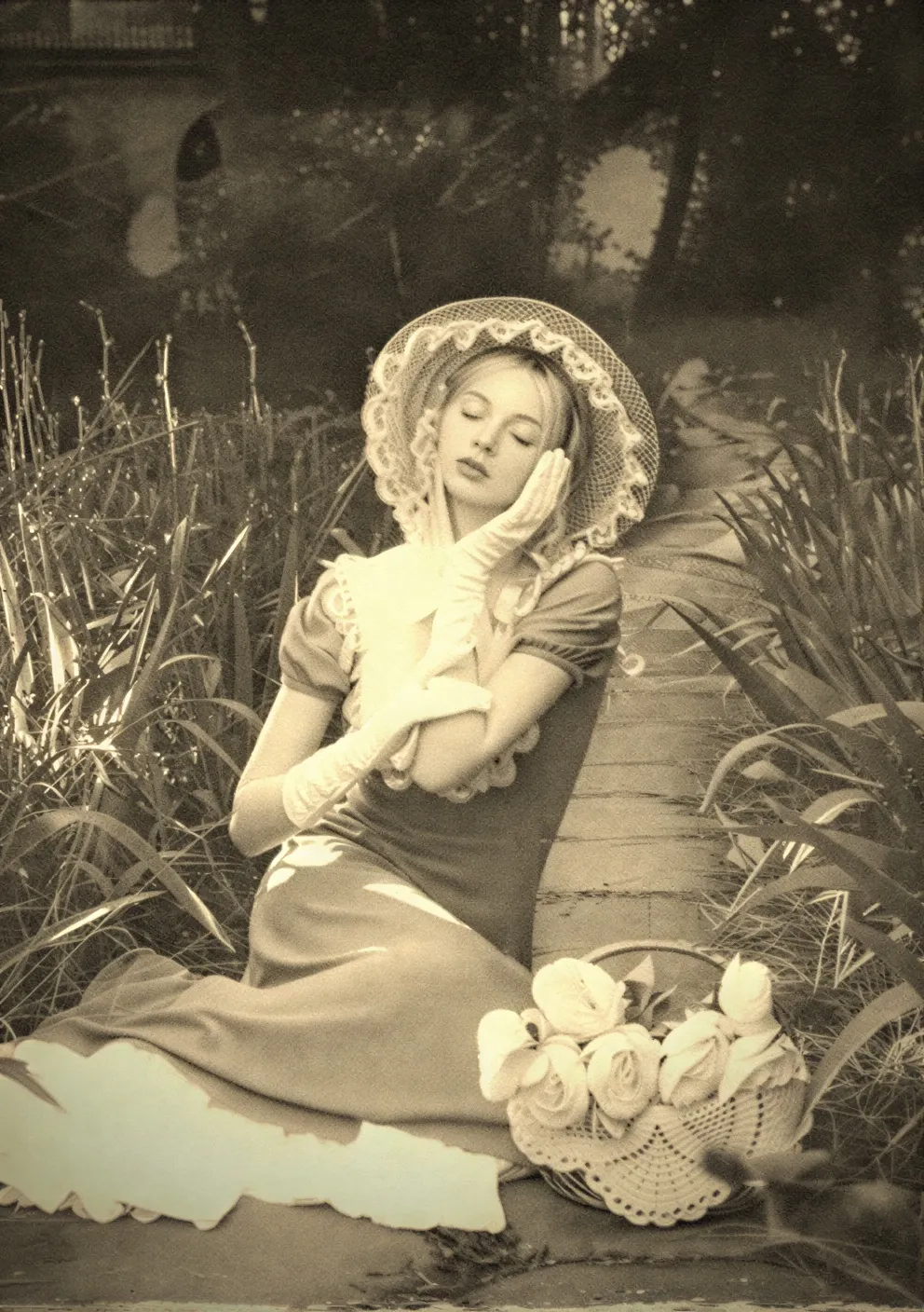 | 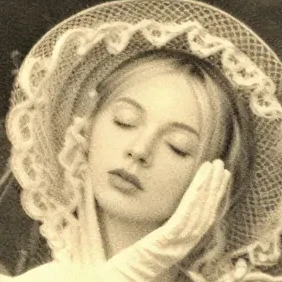 |
4 — 1984 × 2800 px | 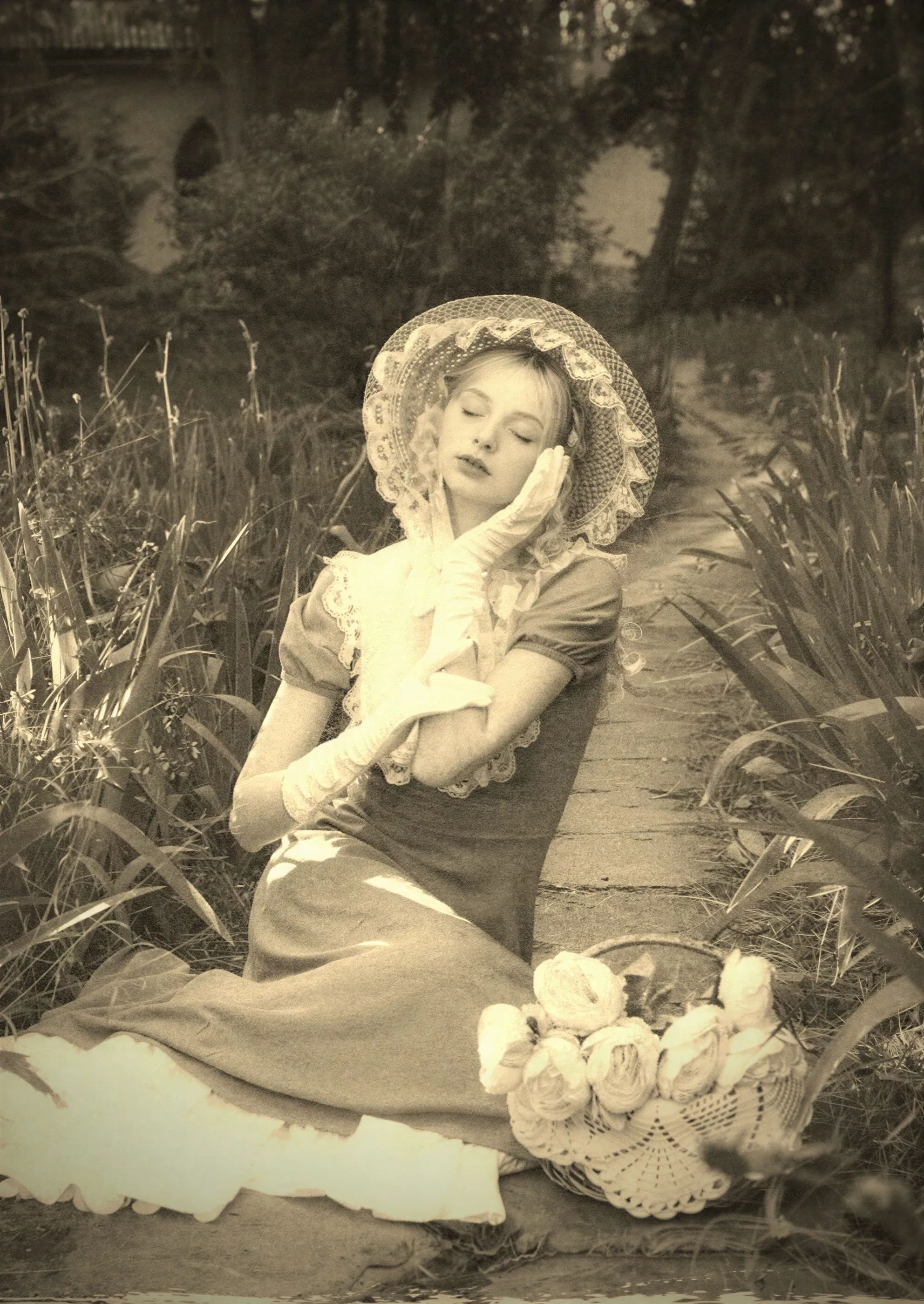 | 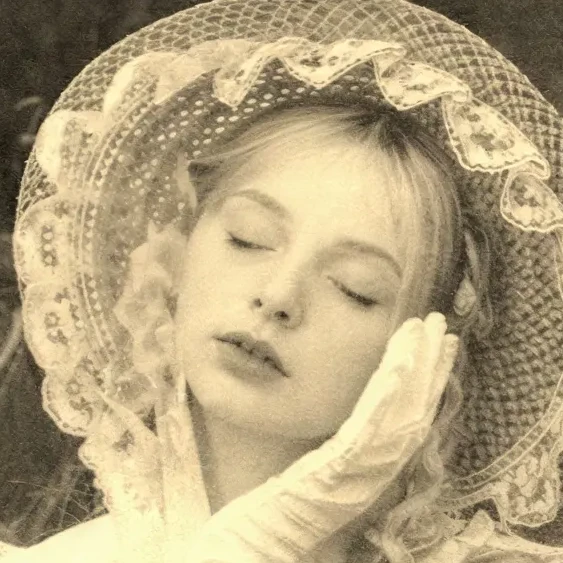 |
Upscale models
| Model | Description | upscale_factor | Max output |
|---|---|---|---|
seedvr-upscale | SeedVR — default model | 1, 2, 3, 4 | 64 MP |
topaz-precision | Topaz Precision | 1, 2, 3, 4 | 72 MP |
crystal-upscaler | Crystal Upscaler | 1, 2, 3, 4 | 16 MP |
bria-increase-resolution | Bria Increase Resolution | 2, 4 | 8192 px per side |
Size limits
- The source image must be at least 128 × 128 px.
- The output is capped per model — see Max output above. Each side of the source is multiplied by
upscale_factor, so a 1000 × 1000 px source at4gives 4000 × 4000 px, 16 MP. A request over the cap is refused: lowerupscale_factor, use a smaller source, or pick a model with a higher cap. upscale_factor: 1keeps the dimensions and only enhances detail — useful for a soft or compressed source that is already the right size.
Text to Image & Inpainting
Generates an image from a text description using AI, or edits an existing image with AI (inpainting). Ignored if image_url or image_encoded is provided.
Asynchronous generation only
text_to_image is rejected on synchronous generation with 400 invalid_payload — an AI generation takes far longer than that endpoint's 28-second budget, so the field is not part of its contract at all. Use asynchronous generation.
| Parameter | Type | Description | Default |
|---|---|---|---|
text_to_image | Boolean or String | Activates AI image generation. A string is a shorthand for the prompt — see below | false |
text_to_image_properties | Object | Generation settings | |
↳ prompt | String | Description of the image to generate, or of the edit to apply in inpainting mode. At least 3 words — shorter prompts are rejected | Required |
↳ model | String | Model to use, see Models below | nano-banana-2 |
↳ ratio | String | Aspect ratio or size of the output. Allowed values depend on the model — see Models | Model-dependent |
↳ quality | String | Output quality/resolution. Only supported by some models — see Models | Model-dependent |
↳ inpaint_images | Array of strings | URL(s) of the image(s) to edit. When provided, switches generation to inpainting mode instead of pure text-to-image. The maximum number of images depends on the model — see Models; a request with more is rejected |
Prompt shorthand
Instead of true plus a properties object, you can pass the prompt directly as the value of text_to_image. Append comma-separated URLs to supply inpainting sources:
{
  "image_0": { "text_to_image": "a lavender field at golden hour" }
}{
"image_0": { "text_to_image": "replace the sky,https://example.com/source.jpg" }
}Both are expanded into text_to_image_properties before validation, so the 3-word minimum applies either way.
Text to image
Without inpaint_images, a new image is generated purely from the prompt:
{
  "text_to_image": true,
  "text_to_image_properties": {
    "prompt": "A sleek, modern glass villa situated in the middle of a minimalist lavender field. Sharp lines, reflection of the blue sky in the windows, wide-angle shot, architectural photography style, hyper-realistic.",
    "model": "nano-banana-2",
    "ratio": "16:9",
    "quality": "2K"
  }
}| Result |
|---|
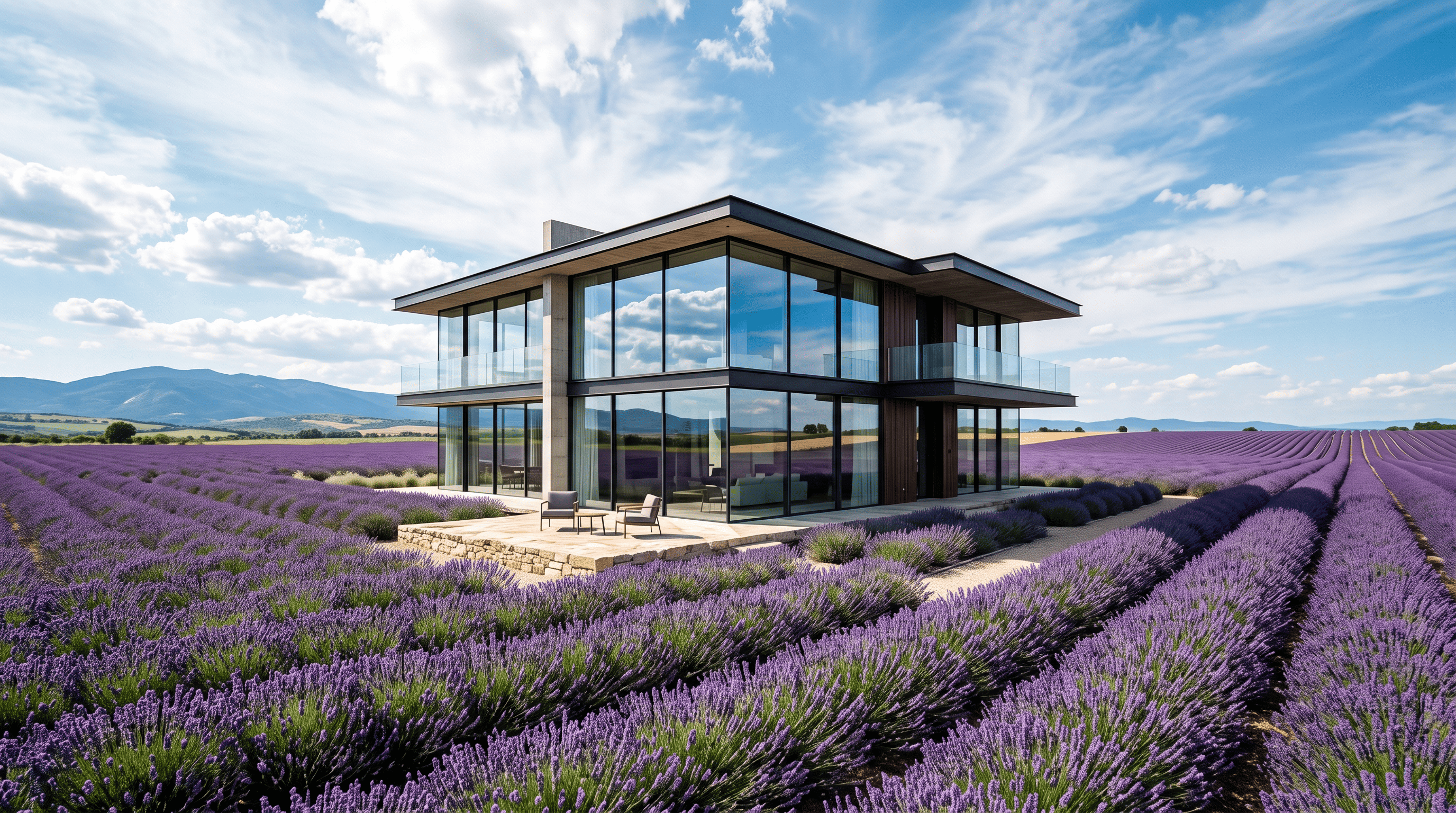 |
Inpainting
With inpaint_images, the model edits the provided image(s) according to the prompt instead of generating from scratch:
{
  "text_to_image": true,
  "text_to_image_properties": {
    "prompt": "enhance the product by adding a background decoration to highlight the product",
    "model": "gpt-image-2",
    "ratio": "square_hd",
    "quality": "low",
    "inpaint_images": [
      "https://production-banners.s3-eu-west-1.amazonaws.com/.../v2_2e4388e8-161d-4b15-a5b6-895fcebe2943.jpeg"
    ]
  }
}
Reference image (inpaint_images) | Result |
|---|---|
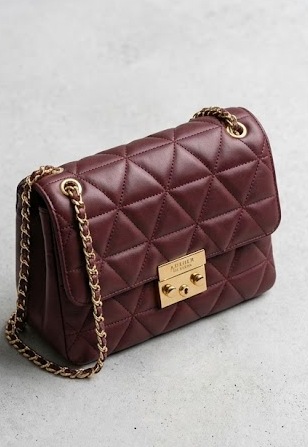 | 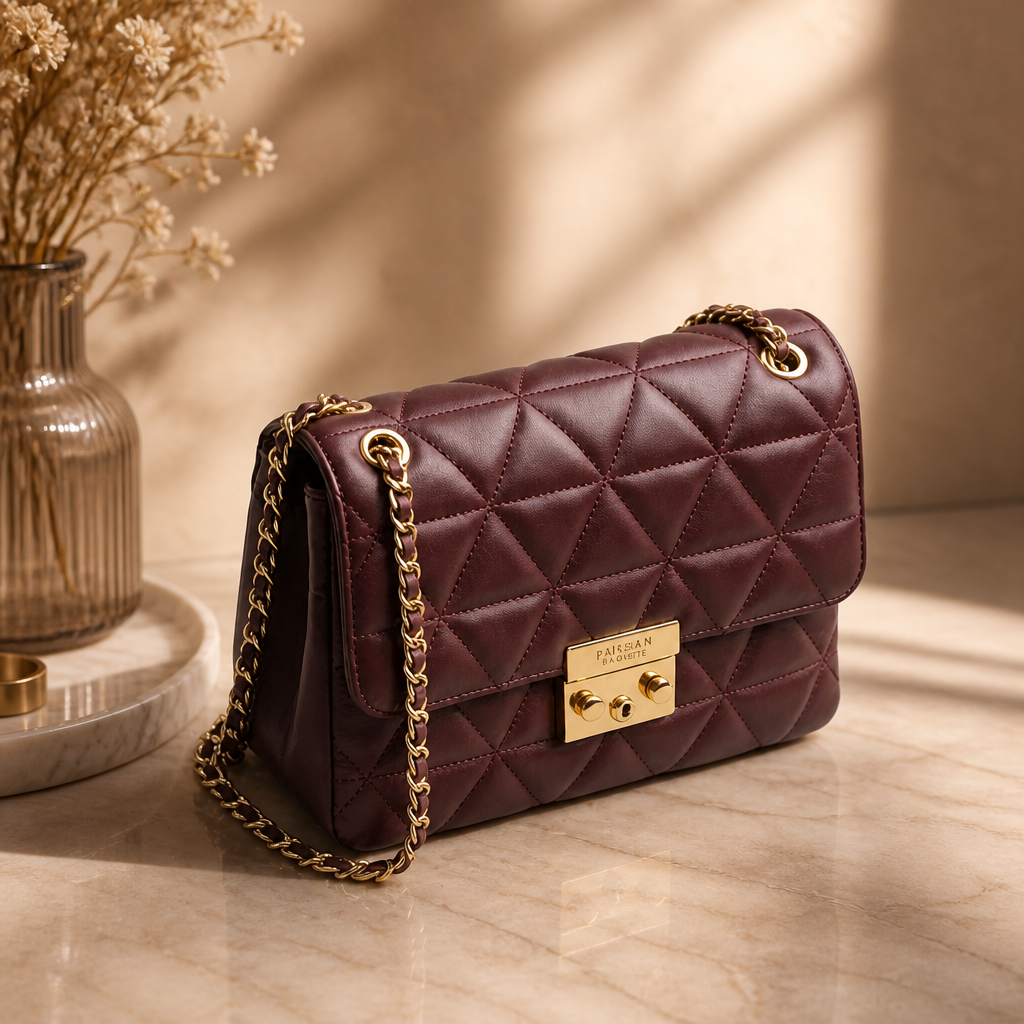 |
Text-to-image and inpainting models
Both text-to-image generation and inpainting use the same models. ratio accepts either aspect-ratio values (e.g. "16:9"), named sizes (e.g. "square_hd"), or pixel dimensions (e.g. "1024x1024") depending on the model. Models marked Not supported for quality ignore the quality parameter if it is provided. Max inpaint_images is the most reference images the model accepts in inpainting mode.
| Model | ratio values | Default ratio | quality values | Default quality | Max inpaint_images |
|---|---|---|---|---|---|
gemini-3-pro | 1:1, 16:9, 9:16, 4:3, 3:4, 3:2, 2:3, 21:9, 5:4, 4:5 | 1:1 | 1K, 2K, 4K | 1K | 14 |
kling-image-o3 | 1:1, 8:1, 4:1, 21:9, 16:9, 3:2, 4:3, 5:4, 4:5, 3:4, 2:3, 9:16, 1:4, 1:8 | 1:1 | 1K, 2K, 4K | 1K | 7 |
wan-2.7 | square_hd, square, portrait_4_3, portrait_16_9, landscape_4_3, landscape_16_9 | square_hd | Not supported | — | 4 |
gpt-image-1.5 | 1024x1024, 1536x1024, 1024x1536 | 1024x1024 | low, medium, high | low | 10 |
flux-2-pro | square_hd, square, portrait_4_3, portrait_16_9, landscape_4_3, landscape_16_9 | square_hd | Not supported | — | 8 |
qwen-2511 | square_hd, square, portrait_4_3, portrait_16_9, landscape_4_3, landscape_16_9 | square_hd | Not supported | — | 6 |
nano-banana | 21:9, 16:9, 3:2, 4:3, 5:4, 1:1, 4:5, 3:4, 2:3, 9:16 | 1:1 | Not supported | — | 3 |
nano-banana-2 (default model) | 1:1, 16:9, 9:16, 4:3, 3:4, 3:2, 2:3, 21:9, 5:4, 4:5, 4:1, 1:4, 8:1, 1:8 | 1:1 | 0.5K, 1K, 2K, 4K | 0.5K | 14 |
nano-banana-pro | 21:9, 16:9, 3:2, 4:3, 5:4, 1:1, 4:5, 3:4, 2:3, 9:16 | 1:1 | 1K, 2K, 4K | 1K | 14 |
seedream-4.5 | square_hd, square, portrait_4_3, portrait_16_9, landscape_4_3, landscape_16_9, auto_2K, auto_4K | square_hd | Not supported | — | 7 |
seedream-5-pro | square_hd, square, portrait_4_3, portrait_16_9, landscape_4_3, landscape_16_9, auto_1K, auto_2K | square_hd | Not supported | — | 7 |
gpt-image-2 | square_hd, square, portrait_4_3, portrait_16_9, landscape_4_3, landscape_16_9 | square_hd | low, medium, high | low | 16 |
gpt-image-2.5-sunburst | square_hd, square, portrait_4_3, portrait_16_9, landscape_4_3, landscape_16_9 | square_hd | low, medium, high, xhigh, max | low | 16 |
gpt-image-2.5-flare | square_hd, square, portrait_4_3, portrait_16_9, landscape_4_3, landscape_16_9 | square_hd | low, medium, high, xhigh, max | low | 16 |
grok-imagine | 2:1, 20:9, 19.5:9, 16:9, 4:3, 3:2, 1:1, 2:3, 3:4, 9:16, 9:19.5, 9:20, 1:2 | 1:1 | 1k, 2k | 1k | 3 |
flux-2-klein-9b | square_hd, square, portrait_4_3, portrait_16_9, landscape_4_3, landscape_16_9 | square_hd | Not supported | — | 4 |
gemini-2.5-flash | 21:9, 16:9, 3:2, 4:3, 5:4, 1:1, 4:5, 3:4, 2:3, 9:16 | 1:1 | Not supported | — | 3 |
gemini-3.1-flash | 1:1, 8:1, 4:1, 21:9, 16:9, 3:2, 4:3, 5:4, 4:5, 3:4, 2:3, 9:16, 1:4, 1:8 | 1:1 | 0.5K, 1K, 2K, 4K | 0.5K | 14 |
ideogram-4.5 | square_hd, square, portrait_4_3, portrait_16_9, landscape_4_3, landscape_16_9 | square_hd | low, medium, high | low | 5 |
image is not a property
Sending an image key on an image or logo element is explicitly rejected — the property is image_url (or image_encoded).
Related
- Logo — the reduced image variant
- Common properties —
hiddenand shadows